

Quick Take: Initial Assessment of Key Personnel Changes in North Korea’s 9th Party Congress
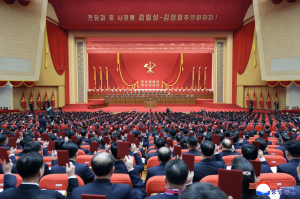
A preliminary assessment of personnel changes resulting from the Ninth Congress of the Workers’ Party of Korea (“Ninth Party Congress”) and the first plenary session of the Ninth Central Committee shows that most changes affected the Party leadership rather than the government or national security community.
The Secretariat, which manages strategic policymaking and advice, was expanded to 11 members from around seven members. Party International Affairs Department (IAD) Director Kim Song Nam has joined the Secretariat and retained his directorate. This indicates that foreign policy has been returned to the Secretariat’s purview. The question is whether the IAD’s role is restricted to coordinating relations with China and foreign political parties or if IAD serves as a guardrail to the Foreign Ministry (FM).
The number of Central Committee Departments appears to have contracted to 17 based on the list of directors. This most likely indicates that some departments have merged, such as those involved in Party administrative housekeeping and Party finances such as Office #39 and the Party Finance and Accounting Department.
Kim Yo Jong, Kim Jong Un’s sister, was appointed a department director, likely at the former United Front Department (UFD). Although unclear, UFD may have been restructured to serve as a bridge between the IAD and FM and a venue for strategic communications. Alternatively, Party housekeeping units such as General Affairs and Document Archives might have been consolidated under Kim Jong Un’s executive office, and Kim Yo Jong leads that new department.
Based on the call-order in state media, it appears that Kim Jae Ryong was appointed secretary and director for the Organization Guidance Department (OGD). Kim previously served as OGD Director between 2020 and 2022 and his last known position was leading the Party Disciplinary Investigation Department (DID). Kim’s second appointment to OGD, his tenure at DID and a short term as DPRK Premier underscore his influence on and close ties to Kim Jong Un. He is the epitome of a core elite.
Jo Yong Won is out of OGD and the Central Committee apparatus. Given the dismissal of SPA Chairman Choe Ryong Hae and other personnel from the 9th Party Congress, it is highly probable that Jo will migrate to SPA leadership. As SPA elections are overdue by two years (an SPA term of office being five years), this raises the probability that North Korea will hold parliamentary elections during 2026.
Jong Kyong Thaek replaced Pak Jong Chon as head of the Military Political Leadership Department and Vice Chairman of the Central Military Commission. Jong previously served as the head of the Korean People’s Army’s (KPA) General Political Bureau. Based on current state media reporting, this was the sole change to the KPA high command, and we might assume defense minister No Kwang Chol and Chief of the General Staff Ri Yong Gil retained their positions.
One final notable and discernible personnel change: Kim Tok Hun has retained his status on the Political Bureau despite Kim Jong Un castigating his job performance leading the Cabinet. Kim Tok Hun has migrated from the Party to the Cabinet, likely as a Vice Premier.
Further events and media activity will likely enlighten Pyongyang watchers as to where and how these personnel and organizational changes shook out.