

Technology Companies Dominate Advertising at North Korean Football Matches
In a planned economy like North Korea’s, there is typically little need for commercial product advertising. State enterprises do not spend large amounts of money trying to outdo their competitors, the state decides what is made and consumers generally have few choices. But in today’s North Korea, there are small signs of change.
North Korean television experimented with commercials in mid-2009 but stopped after two months. Instead, it has filled programming gaps with songs. More recently, growing market activity in some sectors has led to a more competitive marketplace, where state enterprises attempt to create brand identities with catchy logos and adopt bright and colorful packaging to attract consumers. Advertising, however, has been largely limited to select spaces like newspapers and smartphone apps.
One venue where advertising is prevalent is at North Korean domestic football matches. Sponsorship ads surround the pitch, reaching mass in-person and television audiences. While the process and requirements for securing this advertising space are unknown, the examples demonstrate that companies recognize its unique exposure value.
Capitalizing on Arena Audiences
Advertising at North Korean football matches is a practice at least ten years old, but domestic games have not been regularly aired on internationally-available Korean Central Television since 2014. Until recently, these games have remained largely hidden from outside observation. However, access to several recent matches carried on the North Korean Sports TV channel has allowed for new analysis. It is not scientific, but it does indicate which companies have chosen to get their names in front of North Koreans—or that the state wants to put in front of people. In this context, companies in North Korea’s technology space, particularly those associated with the mobile economy, have dominated this unique advertising space.
In the last three months, the country’s Sport TV channel has broadcast select games from two domestic tournaments—August’s Torch Cup (홰불컵) and the Republic Championship (공화국선수권대회)—that took place in September and October 2026.
The games were played at the Kim Il Sung Stadium in Pyongyang and there were 36 advertising boards around the field: 10 at each end and 16 alongside the pitch on the side opposite the team benches and TV cameras.
The largest advertiser at both events was Korea Mangyong Trading Co. (조선만경무역회사), which produces the apparently popular “Jindallae” series of smartphones. It had five advertisements for each match series.
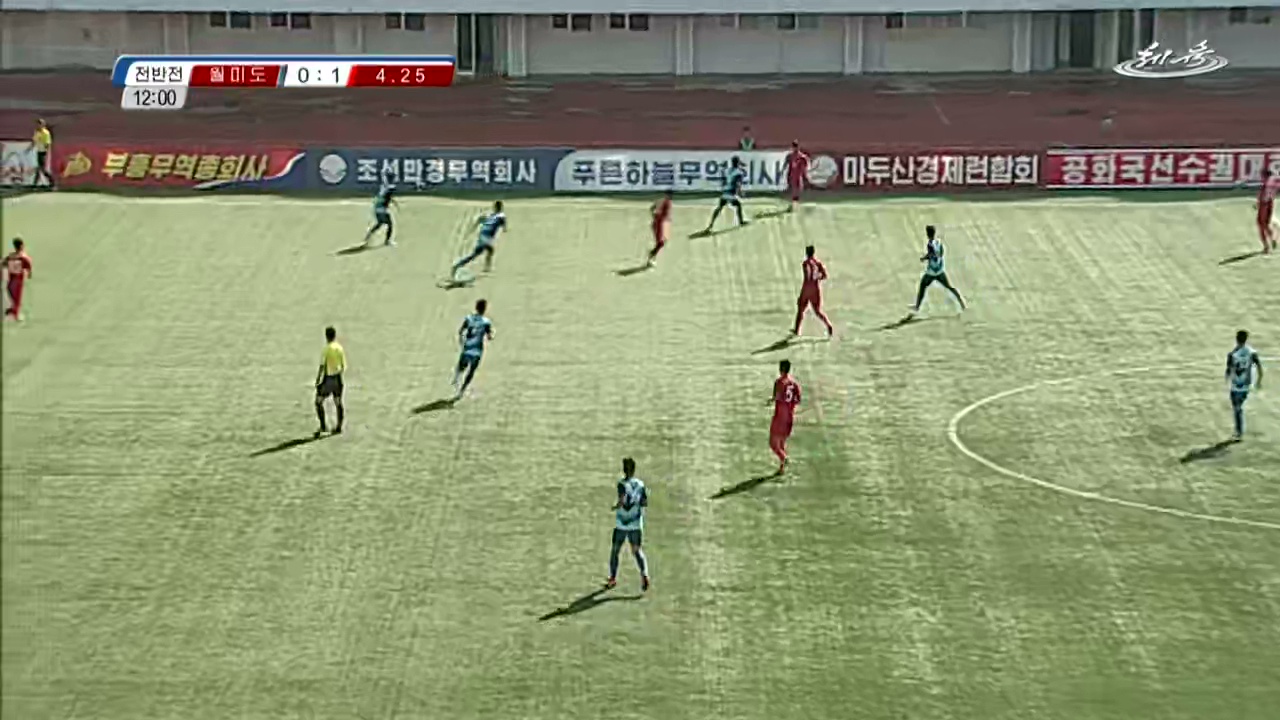
The second largest advertiser with four ads at each series was another smartphone brand, Phurunhanul Trading Co. (푸른하늘무역회사), which sells phones under its Phurunhanul name. Phurunhanul was also involved in the development of a North Korean AI chatbot with Kim Il Sung University.
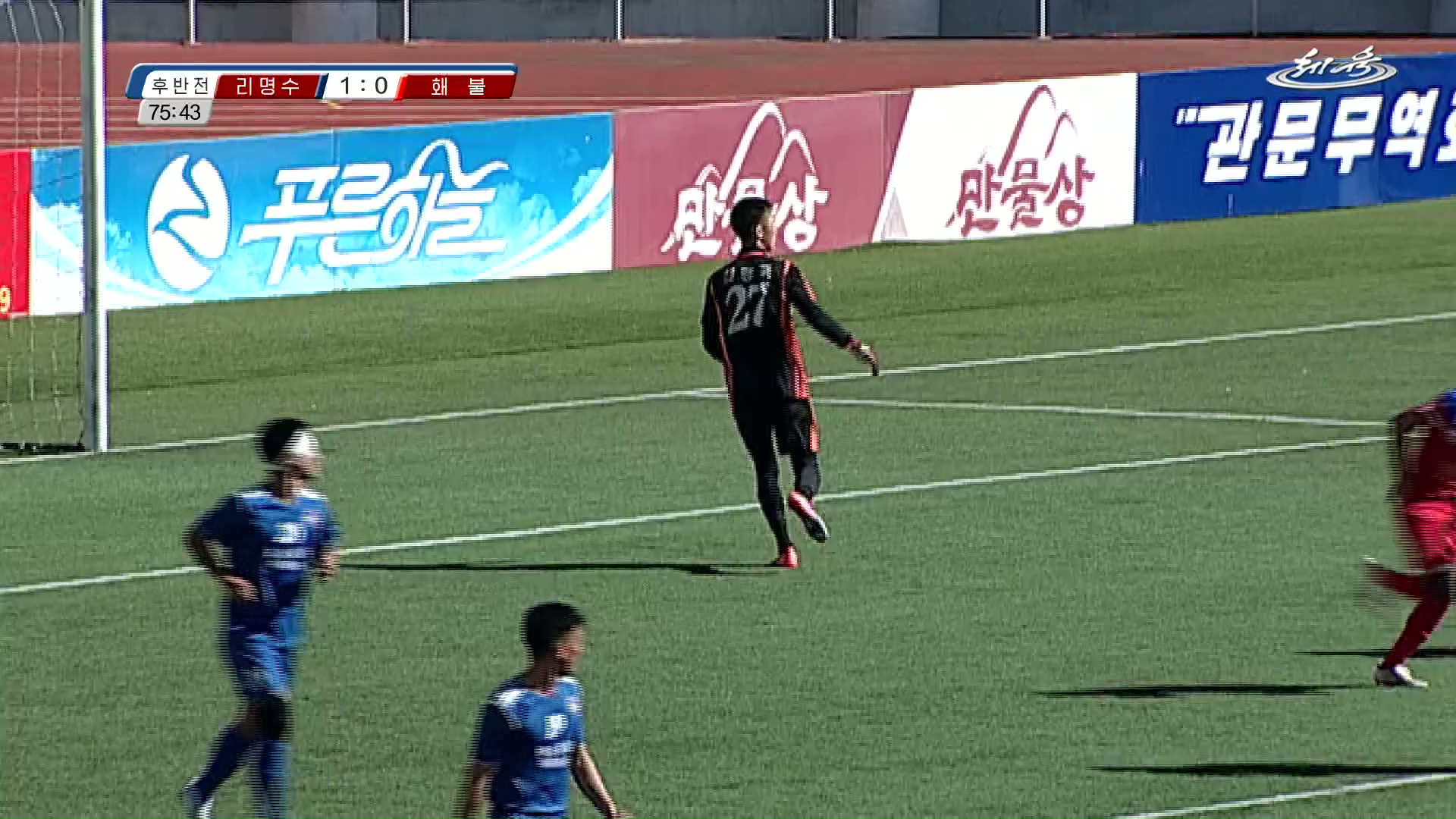
The Korea Sports Fund (조선체육후원기금), a public fund, had four ads at the Torch Cup and three at the Republic Championship while Cheo Technology (체오기술합작회사), which operates the Koryolink mobile network, and Manmulsang (만물상), an e-shopping app and portal, had three ads at each tournament.
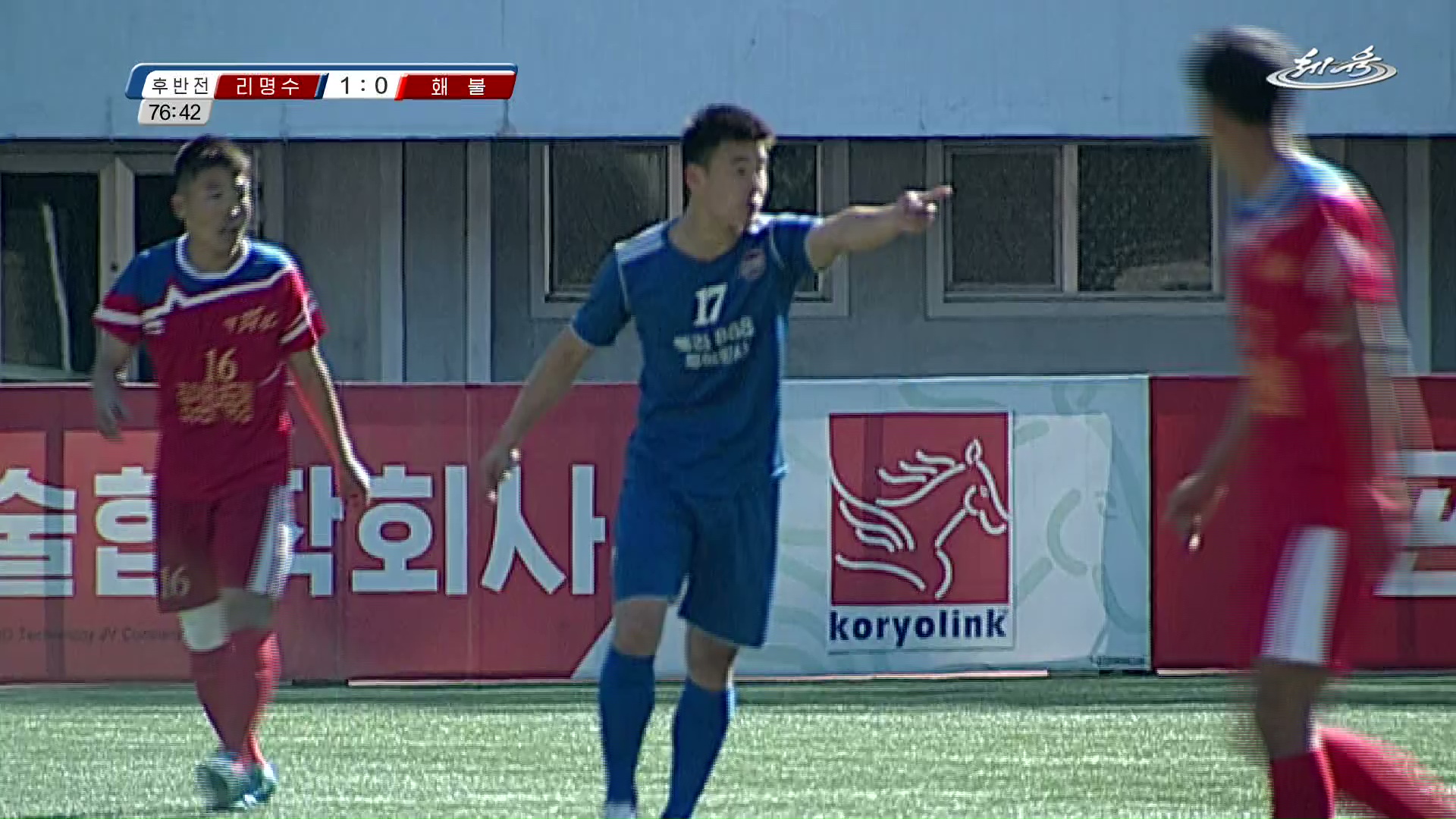
Two larger advertisers were Reconstruction General Trade Group (부흥무역총회사), which handles precious metals, titanium, ships, fisheries and oil, and Pinecone/Solbang Joint Venture Company (솔방울합작회사) and the Gwanmun Trading Company (관문무역회사), neither of which are known to the author.
The Madusan Economic Federation (마두산경제련합회), which also has a line of smartphones, split its advertising at the Republic Cup. Two ads carried the company’s main name and two others advertised Madusan Bank (마두산은행) and the Madusan Electric Bicycle Workshop (마두산축전지자전거제작소).
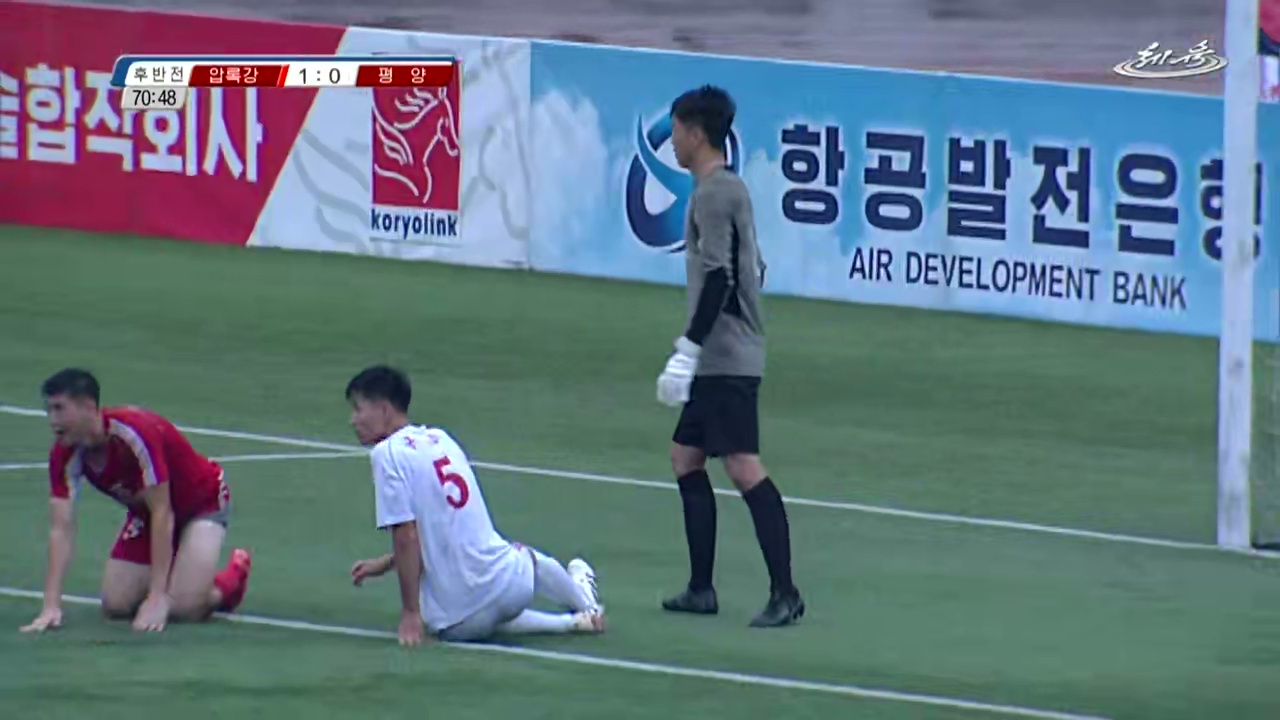
The remaining advertisers had only a single advertisement at one or both tournaments and included a sportwear company, Dansang Athletic Wear Manufacturing Workshop (단상체육복장제작소), and an LCD TV brand, Sujongchon Technology Trading Company (수정천기술무역회사).
These observations are by no means exhaustive, and there is no way to know how much this kind of advertising costs. But the practice of arena advertising demonstrates both an understanding of this unique exposure opportunity and some of the companies choosing to use it.