

3 Y3ars of the Respected Daughter
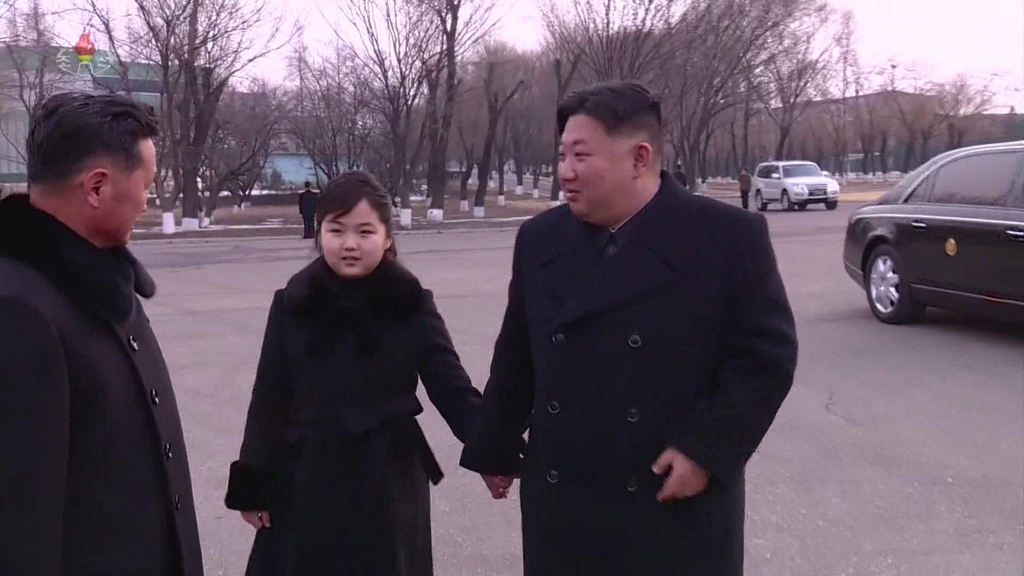
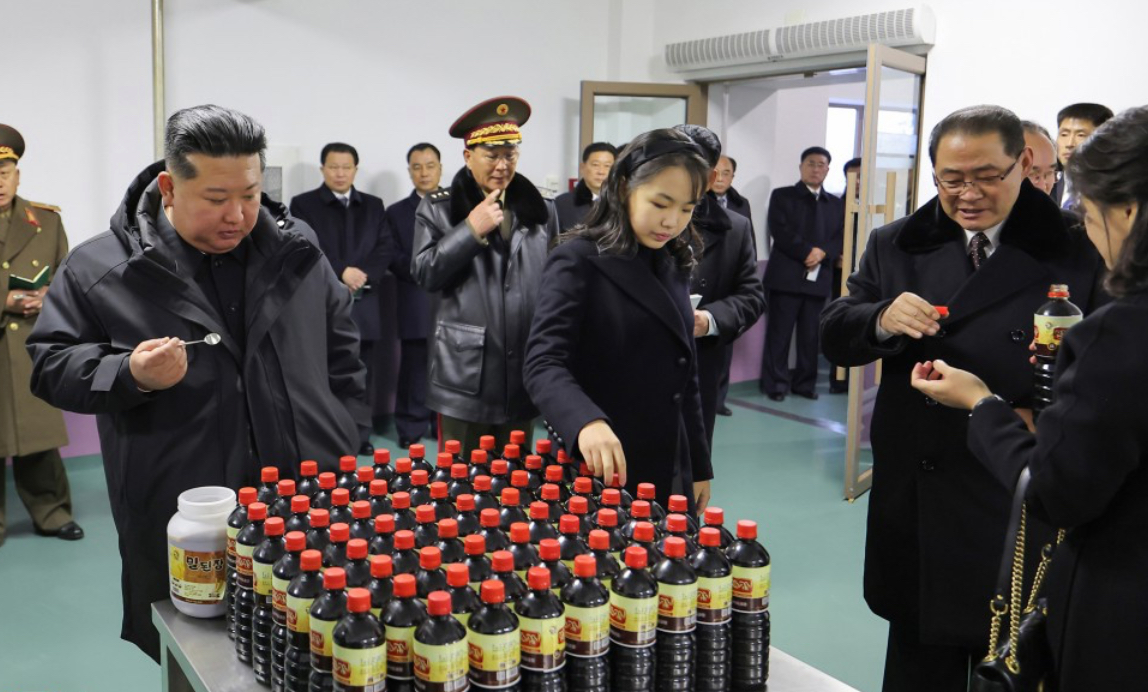
It has been just over three years since Kim Ju Ae, daughter of supreme leader Kim Jong Un (KJU), emerged into North Korean public life. Her first public appearance at a ballistic missile test on November 18, 2022 immediately incited conjecture of regime hereditary succession planning or that Ju Ae herself, then approximately between 10 and 12 years-old, was formally selected as KJU’s successor to the supreme leadership. Leadership transition and concerted efforts toward hereditary succession are at least ten years away (or, two Party Congresses). The debate about her successor status among Pyongyang watchers will last that long or unless KJU formally designates her or another member of the Kim Family as his successor.
As noted in a previous previous 38 North assessment, Kim Ju Ae needs to be regarded and analyzed with the same principles and methods through which we scrutinize other North Korean elites. Lacking a career history or discernible policy writ, the only means to assess Ju Ae is through public events and her role in state media.
When we analyze the events Kim Ju Ae attends, it might be useful to differentiate between the types of events she attends, in addition to the usual thematic categorization (economy, military) devised by MOU. These events can be divided between inspections and ceremonies. Inspections refer to the traditional DPRK guidance visit by the leader, looking at things and a vigorous exchange of briefings and instructions. Ceremonies refer to opening events, concerts, most anniversary events and sports. Of 41 events Kim Ju Ae attended since her public debut in November 2022, 61% (25) were ceremonies; 39%(16) were inspections. This suggests that Ju Ae and the regime’s image-makers might focus on developing how she conducts herself in public under the state media spotlight. A cursory and superficial comparison between events from when she first emerged until now is most likely to conclude that Ju Ae’s behavior as a public figure has markedly improved—she appears more engaged with the surroundings at the events at the events she attends and demonstrates a higher degree of confidence and certainty when interacting with other North Korean elites and citizens.
When we apply the traditional categorizations to the KJU events that she had attended, half (21) (51%) involved the military. 29% (12) were domestic focused (a total DPRK economy and society events). When military events are linked to the defense industry (24%; 6) and external affairs (5%; 2), then 70% (29) of the Ju Ae’s events fall under North Korean national security policy.
Combining her role in the types of public events she attends with their ideological/sectoral thematics of the events constitutes circumstantial evidence that Kim Ju Ae is hereditary successor. We might also add in Nikkei’s recent observations of North Korean television since Ju Ae’s public debut in 2022. Using AI photoanalytic tools, Nikkei analysts noted a trend in which Kim Ju Ae’s image appears with some frequency in a variety of state media—music videos, ideological agitation products, postage stamps, retrospective footage of previous events—raising her public profile to the level of the regime’s iconography.
Taken altogether, this suggests that Kim Ju Ae has been selected as successor to the supreme leadership and these events link to a nascent succession drive. However, all three of these circumstances can apply to other North Korean elites. They learn comportment and decorum at public events during the course of their careers. The regime’s cohort of retired officials routinely attends some of the same ceremony-type events as Kim Ju Ae, but it is unlikely anyone has submitted the elders’ names as possible KJU successors. Finally, a variety of North Korean elites, dead or alive, appear in the regime’s more hagiographic cultural artifacts like short-form videos extolling Kim Family leadership. Ju Ae’s inclusion raises her public profile, particularly in the space of ideological education media. It is not a declaration about succession.
Cards on the table; this analyst assumes that Kim Ju Ae has been informally selected by her parents as hereditary successor and the next supreme leader of the DPRK. Barring a formal designation from on high, however, this analyst will continue to asses Ju Ae as another core elite, not a designated successor.
The problem with applying hereditary succession as a rationale or factor in North Korean events and/or decisions is that it can automatically eliminate other, more plausible reasons or scenarios. This can lead to foregoing further discussion or lines of inquiry. The ultimate impact is that larger dynamics and implications might get ignored.
View Original Article