

Beyond Pyongyang: Mobile Networks, the Internet, and Broadcasting
As part of our series examining the socioeconomic disparity between Pyongyang and other cities in North Korea, we are looking at the differences North Koreans might experience, depending on where they live, across a variety of indicators including: access to electricity, telecommunications, industry, transportation infrastructure, and education. To do so, we utilized two examples as proxies: Haeju, a representative mid-sized provincial capital, and Kim Hyong Jik, a remote, rural county seat.
The first article looked at North Korea’s new five-year economic plan unveiled by Kim Jong Un at the Ninth Party Congress in February 2026. And in a second, we explored the country’s rural housing and rural industrial development initiatives of the last few years.
When Kim Jong Un kicked off the 20×10 regional development policy in 2024, he framed the initiative as bringing up the standard of living in “backward” rural areas. Using commercial satellite imagery, state media analysis, accounts of escapees and other data, these articles attempt to characterize how rural areas might be “backward” in comparison with other less remote areas.
This installment discusses North Korea’s telecommunications network, including access to the Internet (and intranet), mobile phone service, and broadcasting across the country.
Telecommunications
North Korea’s telecommunications networks are less developed than many countries, although some relatively modern services have begun to emerge in recent years. Due to the country’s tight controls on its population and the spread of unapproved information, most telecommunications services are restricted to domestic use only.
That means phones cannot call overseas or receive calls from other countries and data network access is restricted to an internal network with no Internet access.
The country has a nationwide fiber optic backbone that was installed in the early 1990s with the United Nations Development Programme (UNDP) and expanded to cities across the country.[1]
Today, the network appears to connect to most government offices, official organizations and educational institutions in towns and cities across the country. The state of rural connectivity to the network is less clear.
The International Telecommunications Union estimates 1.18 million homes have a fixed-line telephone—a number that has not fluctuated since the mid 2000s.
Cellular Service
Prior to the launch of 3G mobile service in late 2008, few North Korean homes had access to a telephone. The International Telecommunications Union (ITU) estimates a million homes had a fixed line phone in the early 2000s, jumping to 1.18 million in 2006 and remaining there ever since.
When mobile phone service arrived, it surpassed the number of fixed line phones within a couple of years and has since grown to around 6-7 million lines. Actual figures are not available, but visitors to Pyongyang indicate that most North Koreans they meet in the capital have mobile phones.
Network coverage was initially centered on Pyongyang and gradually expanded to other major cities and major highways, before reachingto the rest of the country. Today, commercial satellite imagery shows that the country’s cellular network covers a large portion of the country with many smaller towns and villages in range of a signal. The ITU estimates that 94 percent of the North Korean population have access to cellular coverage.

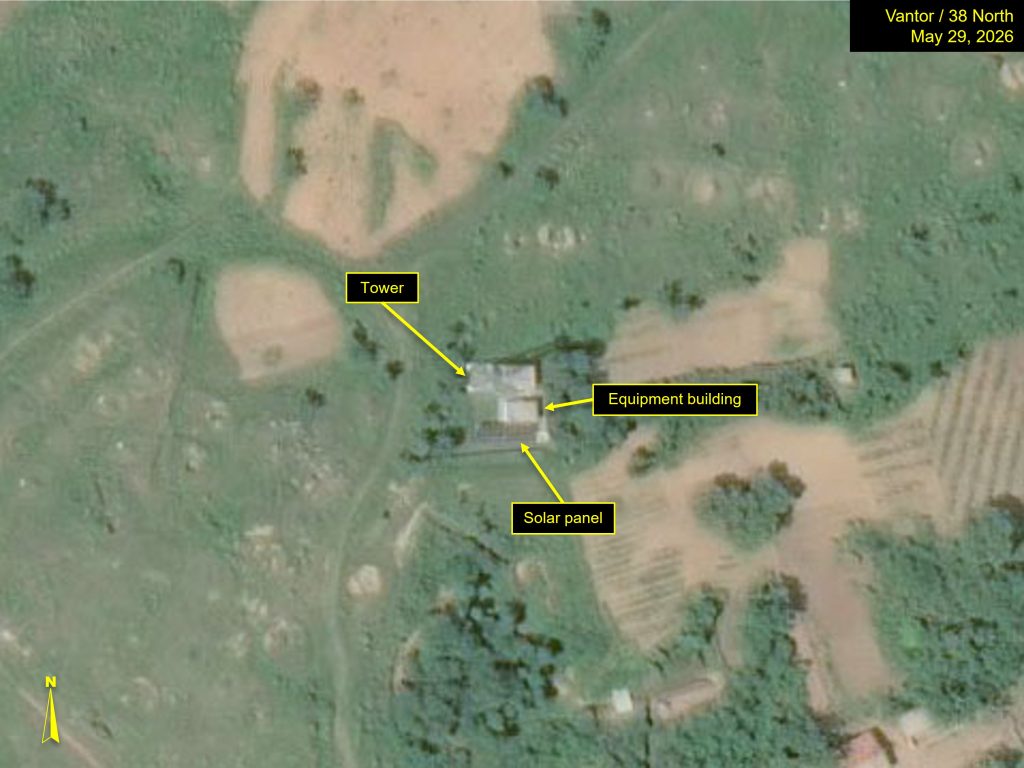
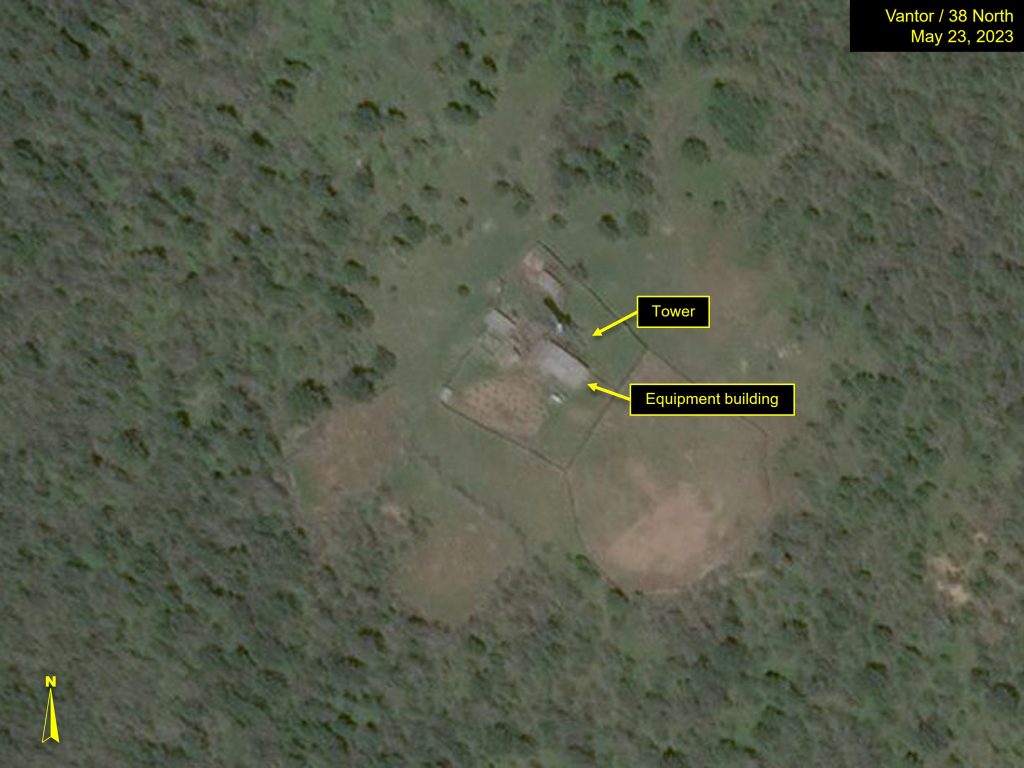
The mobile network allows for telephone calls, video calls, text messaging and access to the nationwide intranet. A growing number of services are being offered via apps that work in at least the capital region.
These include electronic payment systems, which are spreading across the country. A study on the evolution of the Samhung E-Wallet network shows it was centered around Pyongyang in the early years, starting around 2022, and began expanding to areas outside the city around 2024.
Smartphone-based shopping apps also began with delivery networks that only covered the capital, but have recently expanded to other major cities.
Broadcasting
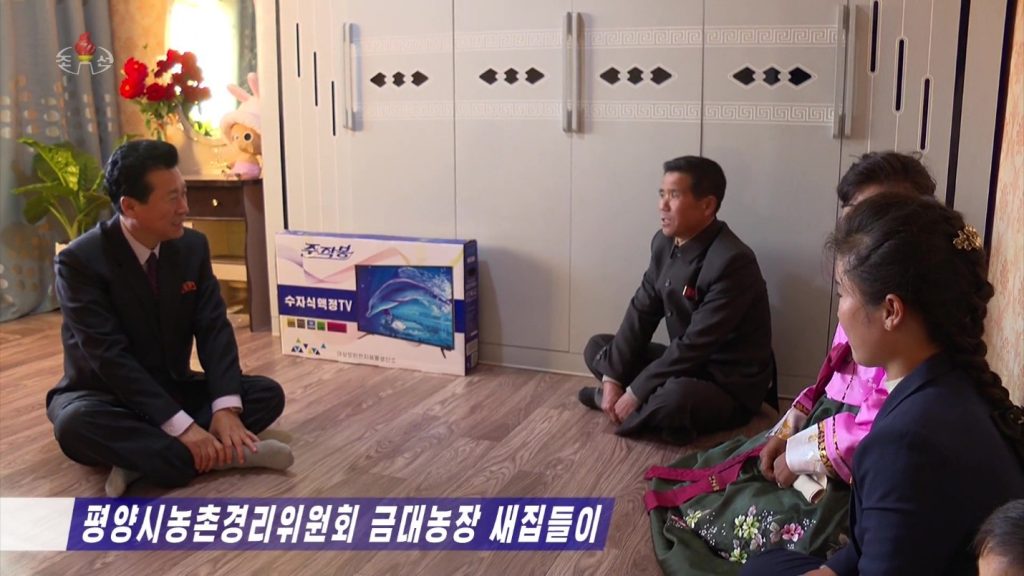
North Korea’s strict censorship and information control environment means only a handful of broadcast networks are available. These include two state radio stations and several TV stations. Until 2016, most of the country had access to a single channel, Korean Central Television, while viewers in Pyongyang had two additional channels, Mansudae TV and Ryongnamsan TV.
In 2016, the country began to roll out a digital broadcasting network across the country that delivered KCTV, the two Pyongyang channels, and an additional sports channel to all homes. The network appears to cover most of the country.
Wired Broadcasting
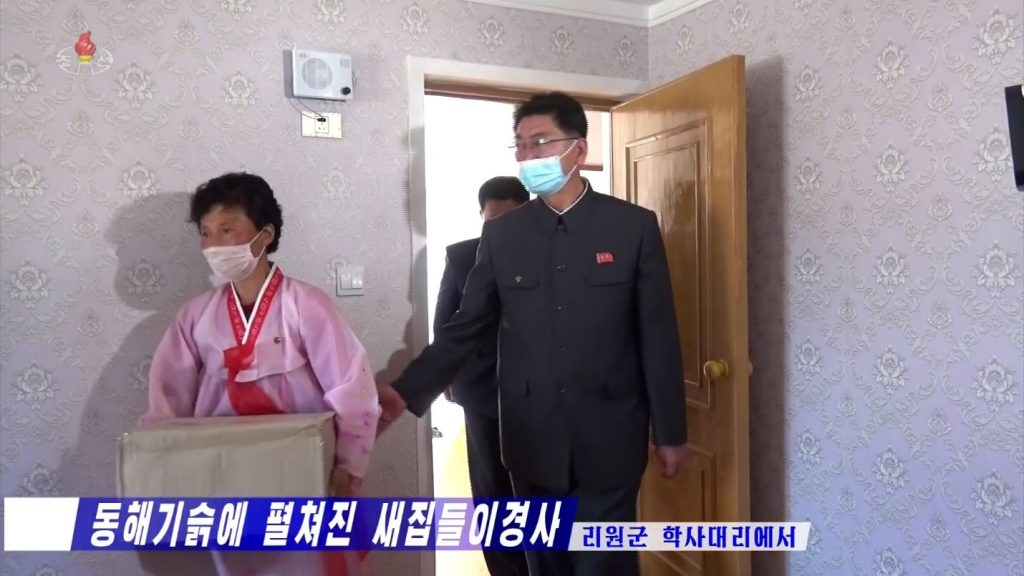
North Korea maintains a national wired broadcasting network that carries a single audio program into houses across the country. The service, called the “Third Radio Network,” carries both national and local programming and it used to relay information to citizens that is deemed too sensitive to broadcast over the air, where it might be received overseas.
Exact penetration is unknown, but it is supposed to be in every house. When the interior of new rural housing has been shown in state media reporting, receivers for the radio network are often visible.
Internet and Intranet
Access to the Internet is strictly controlled in North Korea; most citizens have never used it. Internet connectivity is available at some universities and organizations in Pyongyang under heavily monitored conditions.
Conversely, the nationwide intranet is much more widely available. It appears that domestic websites can be accessed through the mobile data network via smartphones and the national data network via PCs. As part of the regional development “20×10” project, new libraries are being constructed that appear to have online access to books and study materials. Study centers at companies and schools also have intranet access although often the organizations must finance their own connection and equipment.
The intranet is also used to support the national distance learning network, which offers online courses to citizens across the country. The programming originates from major universities and organizations across Pyongyang and provincial capitals. and is a way for knowledge to be spread across the country without citizens traveling to different regions.
Regional Access
Compared to other sectors, access to telecommunications is more evenly spread throughout the country. This is, in part, because each cellular, radio, or TV tower can cover a large area. However, the wide coverage serves multiple purposes. Not only does it provide connection, entertainment, and educational options for the population in even the most remote areas, but it also plays a vital role in the state’s control and indoctrination programs.
North Korea requires citizens to apply for mobile phone connections and to use a national data network ID to sign on to most services.
Smartphones are beginning to provide access to electronic government services, with medicine delivery as an early application. The service works across the nation, according to the app, although it is dependent on availability of medicines in local areas. If services continue to be rolled out on the mobile platform, it could start to rebalance access to services, information and entertainment between city areas and the countryside.
- [1]
“Optical Fiber Cable Telephone Project Completed,” Korean Central News Agency, September 21, 1995.