

Beyond Pyongyang: Educational Resource Divide
As part of our series examining the socioeconomic disparity between Pyongyang and other cities in North Korea, we are looking at the differences North Koreans might experience, depending on where they live, across a variety of indicators including: access to electricity, telecommunications, industry, transportation infrastructure, and education. To do so, we utilized two examples as proxies: Haeju, a representative mid-sized provincial capital, and Kim Hyong Jik, a remote, rural county seat.
The first article looked at North Korea’s new five-year economic plan unveiled by Kim Jong Un at the Ninth Party Congress in February 2026. And in a second, we explored the country’s rural housing and rural industrial development initiatives of the last few years.
When Kim Jong Un kicked off the 20×10 regional development policy in 2024, he framed the initiative as bringing up the standard of living in “backward” rural areas. Using commercial satellite imagery, state media analysis, accounts of escapees and other data, these articles attempt to characterize how rural areas might be “backward” in comparison with other less remote areas.
This installment will examine variances in the country’s access to education facilities and the resources challenges that exist in different areas.
Educational System Overview
The national education system in North Korea is structured throughout the country into nursery, kindergarten (ages 5-6), primary school (ages 6-10), junior secondary school and senior secondary school, college, and university. All education levels are tuition free for citizens and follow a standard curriculum. Teachers’ pedagogical methods are also mandated by the state for all schools, though anecdotal evidence hints that teachers’ instruction methods can vary widely, from lecture-style classes to more student-let discussion. It is unclear what the current prevailing methodology is in classrooms country-wide.
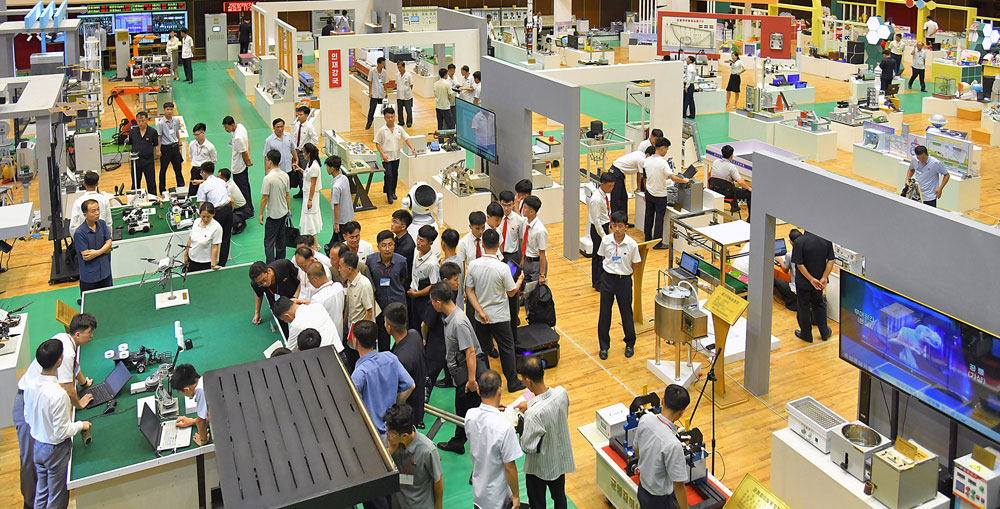
While the education system and curriculum may be uniform across the country, schools themselves, their resources and capabilities can differ widely by city and region. Technology access is particularly challenging. As the state pushes technological literacy, not all schools are able to support this kind of learning. Some reports note that students in rural areas take written exams about using the computer or huddle around one screen for lessons, while others in Pyongyang have access to resources that enable hands-on education for students.
Schools in North Korea are required to fund their own intranet access. Even if technology and the intranet are a part of state-level curriculum requirements, remote schools in poor counties, such as Kim Hyong Jik, may be unable to provide this for their students.
At the more local level, there is a “support organization system” to help address some of these challenges. This is a mechanism in which enterprises are assigned to local schools and provide labor by way of renovations or other improvements in exchange for lunch and cigarettes, usually supplied by families. Unless there is a well-resourced, state-favored enterprise attached, school families bear the brunt of this burden. However, this means the schools that have the greatest need, are unlikely to be able to provide the incentives for the support system, especially those in more remote places like Kim Hyong Jik county.
State Education Priorities
North Korea is also finding ways to leverage align education with regime priorities. In recent years, greater emphasis has been placed on regional and workforce development within curriculum. This includes a new focus on technical and practical skills—both for the construction of these facilities and the knowledge to operate what is built. However, questions remain as to how widespread this more technical type of education is and, practically speaking, whether or not schools outside of Pyongyang are equipped with relevant resources to support these types of new initiatives.
One way that the state is attempting to broaden the reach of these programs and cultivate a workforce pipeline is through distance education. While not a new phenomenon in North Korea, distance learning has been a priority of Kim Jong Un’s since he came to power. At the Seventh Party Congress in 2016, digital distance education was declared integral to North Korea’s education modernization strategy; in 2020, the Distance Education Act was put in place, codifying digital distance education in North Korea’s legislature. Recently, it has been leveraged as a way to train those outside of the capital on how to operate facilities—like the sci-tech dissemination centers or factory machinery—constructed as part of the 20×10 plan.
During the second year of 20×10 implementation, science and technology hubs were constructed in each of the selected counties—and appears to be continuing under the plan. While the specifics of these sci-tech centers are unclear from North Korean reporting, it appears they are intended to serve as media rooms or computer lab-type facilities that provide e-library access to area residents. Sci-tech dissemination centers are not new to the country. Between 2014 and 2016, North Korea rapidly expanded their construction.
The information sharing systems available in each regional facility connect to the centralized Science and Tech Great Hall in Pyongyang, or the Sci-Tech Complex, which serves as the country’s largest digital knowledge and e-learning hub, particularly for technical learnings and science and technology knowledge dissemination. This system allows researchers and other workers throughout the country to access relevant technical information that’s available only through the Sci-Tech Complex—another form of distance learning. Including these technical facilities within the 20×10 industrial hubs is one way to provide access to technical information in areas where technical education may be more scarce.
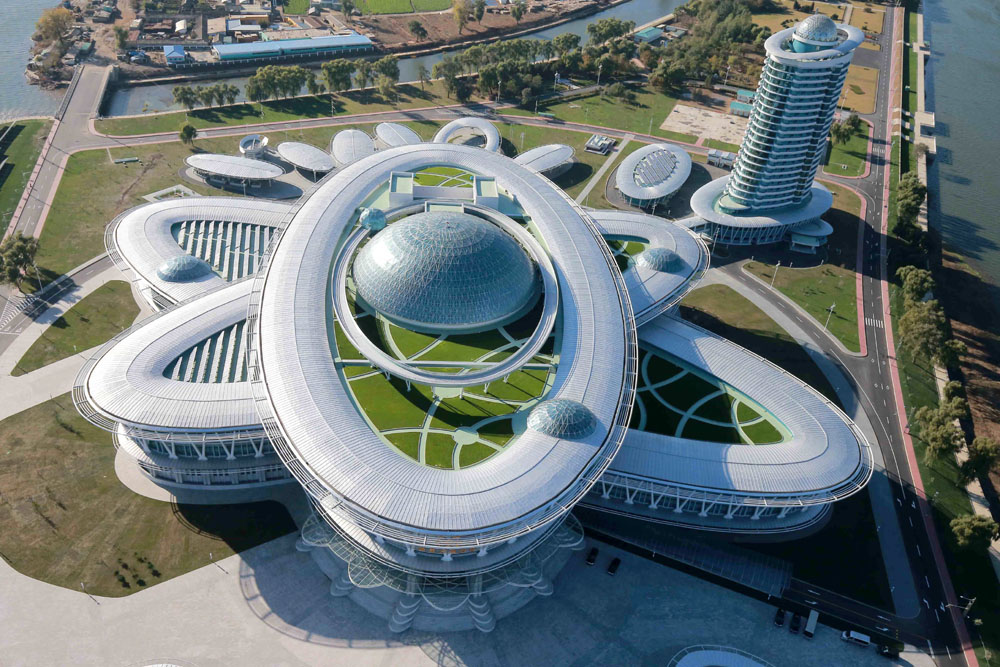
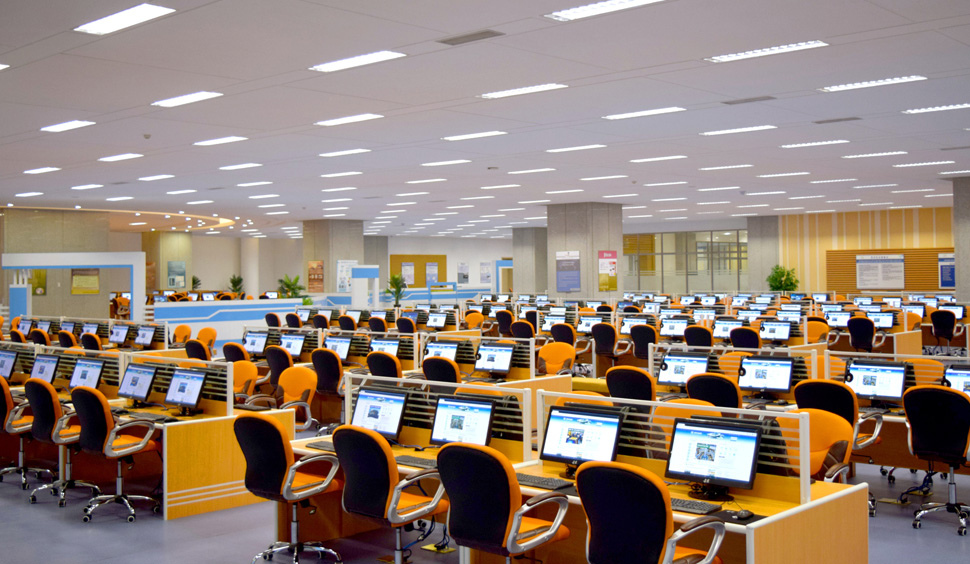
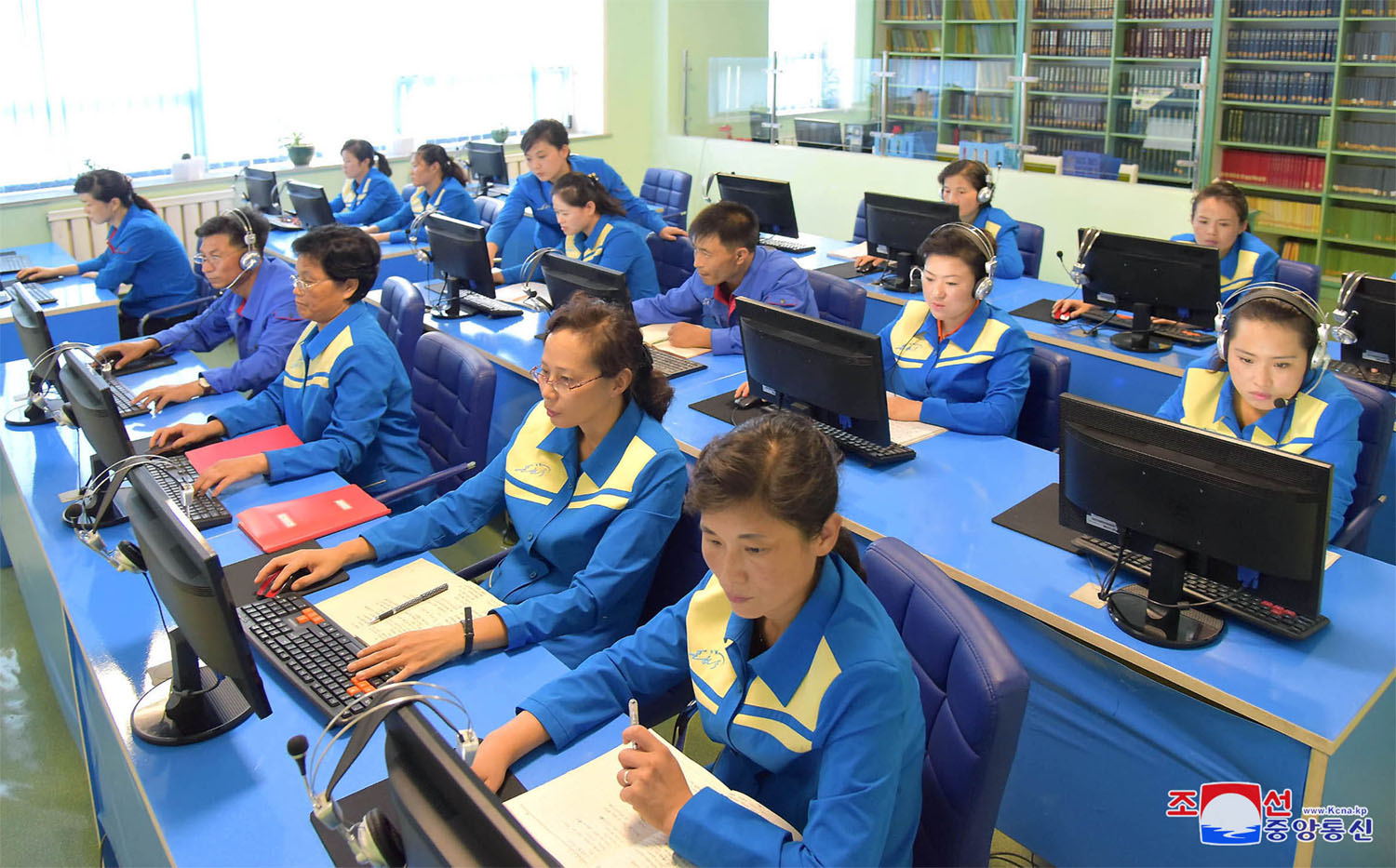
According to a June 2026 Daily NK report, North Korea is also trying to institute hands-on teaching models at vocational colleges. That month, the Ministry of Education held a remote demonstration in Pyongyang for instructors from vocational and technical colleges across the country that worked to identify a production problem at a factory and troubleshoot it. However, teachers from outside of Pyongyang have expressed concern over whether or not this type of model or curriculum can be replicated outside of the capital, with such a large disparity in resources and technologies.
Despite these concerns, anecdotal reports suggest another educational trend emerging is an elective system, promoted since the Eighth Party Congress and particularly concerning STEM-related subjects. This was rolled out nationwide at senior secondary schools in 2026. The electives offered vary by region or county and are tied to local industries in efforts to create a pipeline of workers who are well-suited to meet the industry and enterprise demands in their area. If a student wants to take an elective that is not offered in their area, they can either hire private tutoring or try to gain permission to stay with a family member living in a different area, possibly under the guise of caretaking. This supports the North Korean regime’s primary goal of education: to cultivate a workforce.
Education in Pyongyang
The capital city has the highest concentration of all levels of education—and, in turn, the most resources to provide for the benefit of students and teachers.
Throughout the country, higher education is generally not prioritized. Reports estimate that less than 30% of the population has tertiary education, with anecdotal evidence suggesting that figure is not increasing. Spots at universities are only reserved for elites, many of whom live in the capital, making the largest concentration of the country’s college graduates in Pyongyang.
Multiple schools across each level of education are available across Pyongyang, likely due to the level of resources designated to the city as well as the population size of the metropolitan area. Schools and universities in Pyongyang are often well-manicured and more modern than in other areas of the country. Universities like Kim Il Sung University have full campuses and ample facilities for students.
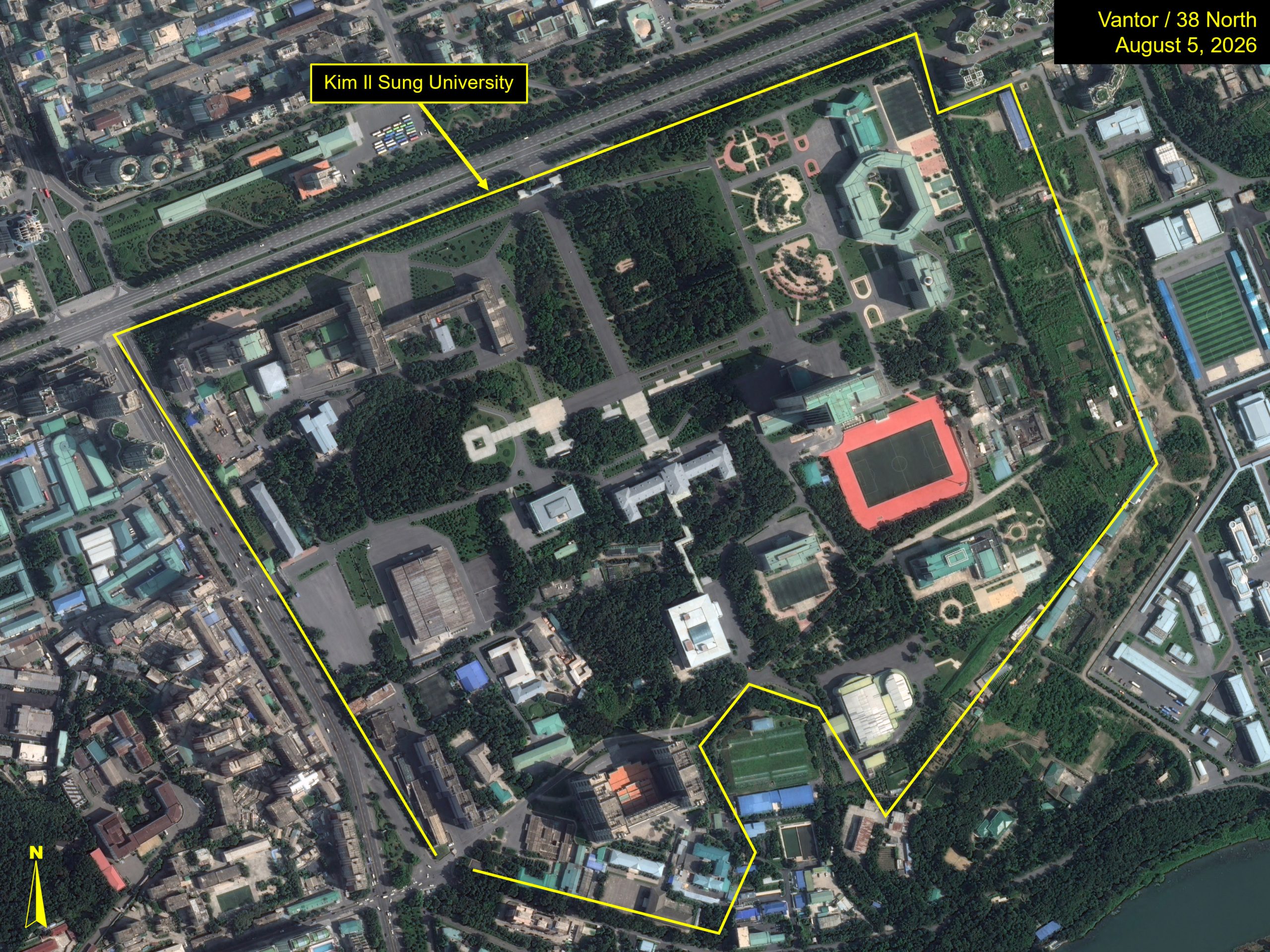
Aside from the facilities, Pyongyang sets the direction of curriculum and pedagogy throughout the country. Teachers are often brought into Pyongyang for technical trainings. However, this also exposes among teachers and instructors the resource gaps between their schools and the capital.
Some Resources, But Not Pyongyang: Haeju
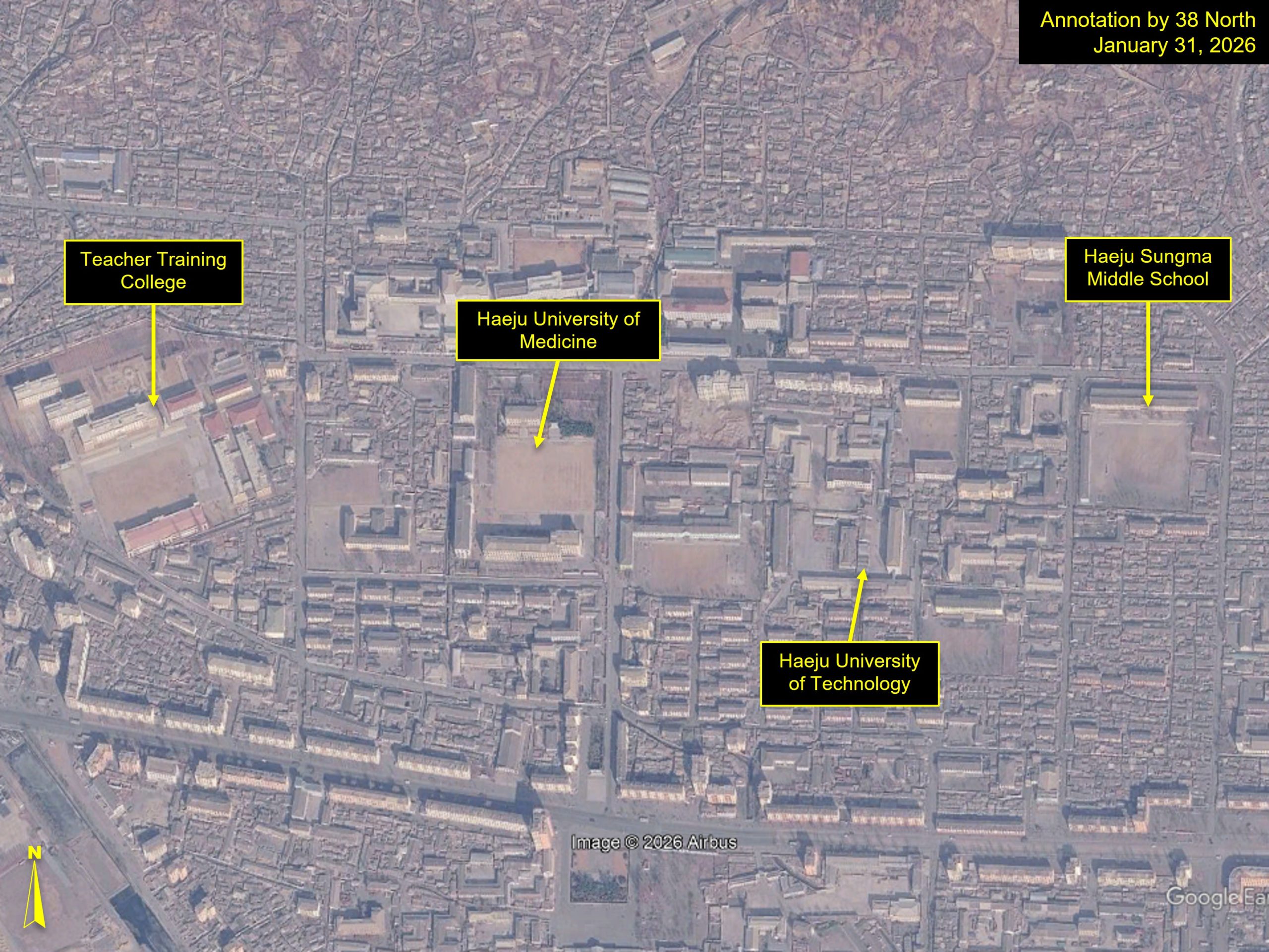
As a provincial capital, Haeju is home to a variety of educational institutes across all levels—from primary and secondary schools through more technical schools such as the Haeju University of Medicine, Haeju University of Technology, and the South Hwanghae Agriculture Science Research Institute. Nonetheless, the area has fewer offerings than Pyongyang.
Haeju’s education system is reportedly better-resourced than schools in other areas outside of Pyongyang. For example, according to a 2022 DailyNK report, computer ownership rates at elementary schools in Pyongyang and Haeju were highest nationwide at 63%, compared to closer to 6% elsewhere. While only a fraction of the complete picture, this is one metric by which the resource disparity throughout North Korea is evident.
Access to higher education is more readily available in Haeju than many other areas of North Korea and its institutions are also frequently cited by state media, namely around bolstering the quality of teachers and resources. A report from June 2026 noted that “…Haeju universities of medicine have intensified practical education to help students acquire knowledge in the field of medical science and clinical abilities, while raising the teachers and students’ level of mastering foreign languages,” and a November 2025 report highlighted efforts to “spruce up teachers’ retraining institutes capable of making a substantial contribution to improving the qualifications of teachers.”
Other articles reference efforts at Kim Jong Thae Haeju University of Education, which was remodeled in 2025, to teach educators new methodologies—suited to different students’ age groups—and new areas of interest, like robotics. This discussion of different education types and teaching methodologies highlights that Haeju, while likely having fewer resources than schools in Pyongyang, holds educational importance in the country.
The universities are not as expansive as they are in the capital city, but feature the identifiable school yard and long, narrow building. In Haeju, schools are often clustered around each other, though no pattern has been discerned.

Challenges of Rural Education: Kim Hyong Jik
The state of the education system in Kim Hyong Jik county is relatively unknown, largely due to its remote location. State media seldom mentions schooling in the area, but it has highlighted the Sampho Senior Secondary School and, in spring 2025, mentioned Kim Jong Un sending instruments to newly-built schools in flood-stricken areas of Kim Hyong Jik.
Anecdotal reports highlight the disparities between remote counties like Kim Hyong Jik and other more urban areas. For instance, a journalist once noted that a school in Kim Hynog Jik held a cooking elective, but the school was unable to provide ingredients for the class. Instead, instructors led a course on cleaning and maintaining the machinery found in a foodstuffs factory—a more practical use case than what is typically thought of as an “elective.”
Given that Kim Hyong Jik County was the recipient of three factories as part of the 20×10 regional development plan and the state’s efforts to align education with local industry, it is likely that schools in this county are strongly geared toward operating factories and farming. However, a lack of access to resources—including technology, electricity, and at times, the intranet—call into question if the county’s education system possesses the capabilities to actually train citizens to work in and operate these types of factories or tap into Pyongyang-led distance education programs.
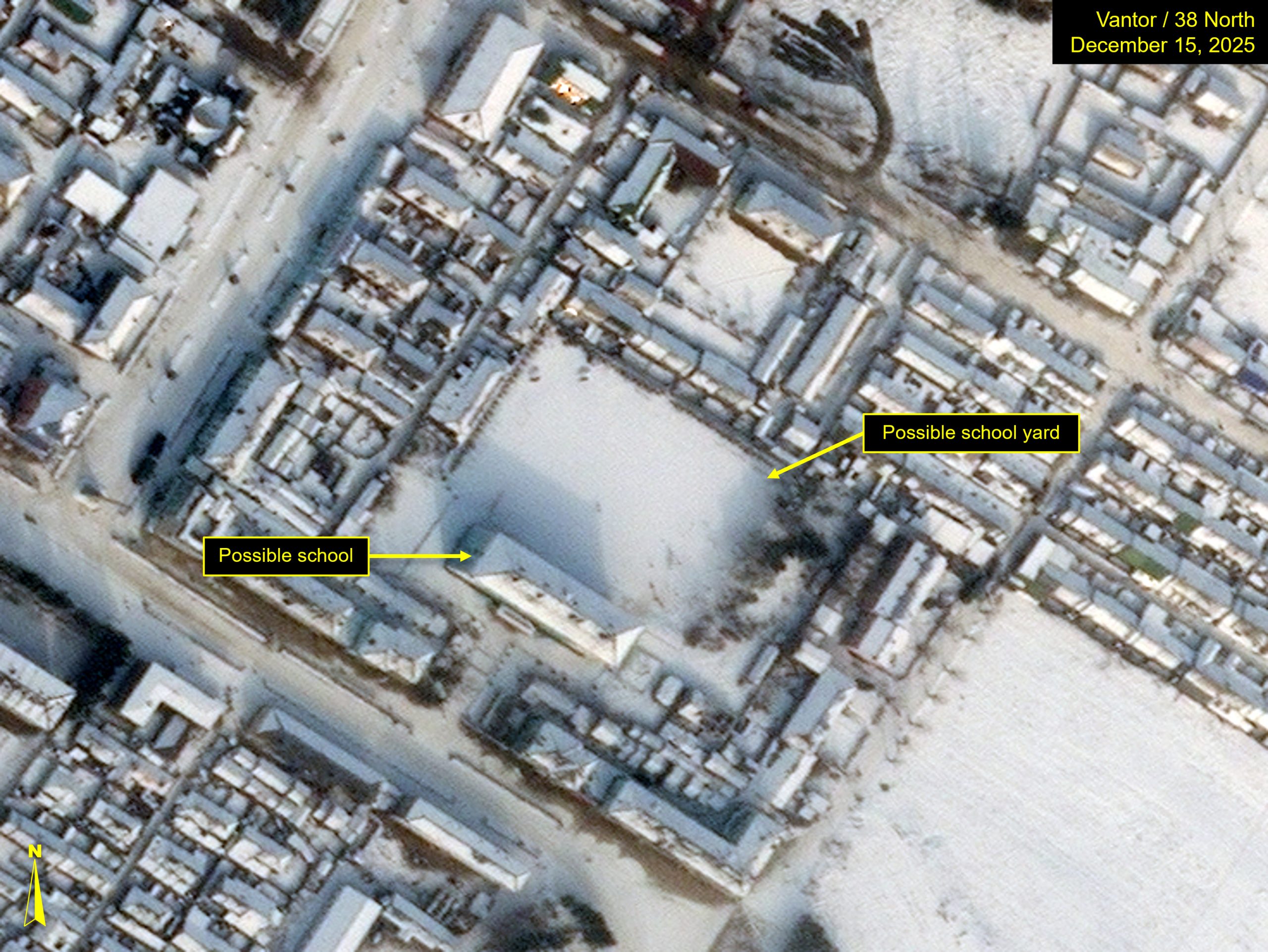
While we do not have any confirmed school locations in Kim Hyong Jik, we have identified likely schools in the area that share signatures of centers of education throughout the country, such as a large school yard in front of the building. In rural areas like Kim Hyong Jik, it is likely that multiple levels of education are aggregated under one roof.
This research was sponsored by The UniKorea Foundation.